HEATING SYSTEM
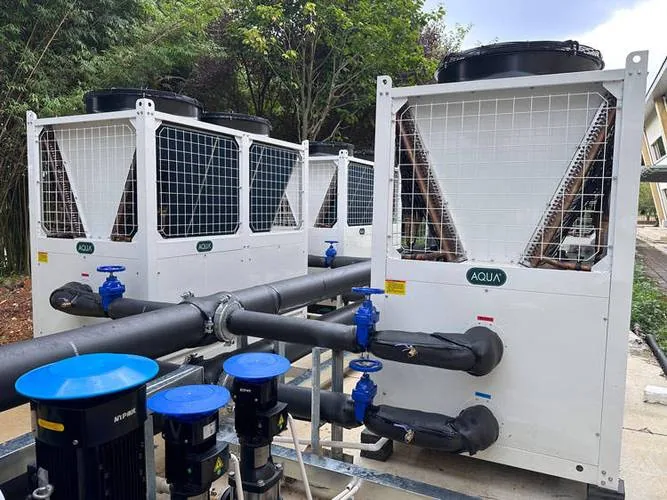
SWIMVIP Pool Heat Pumps
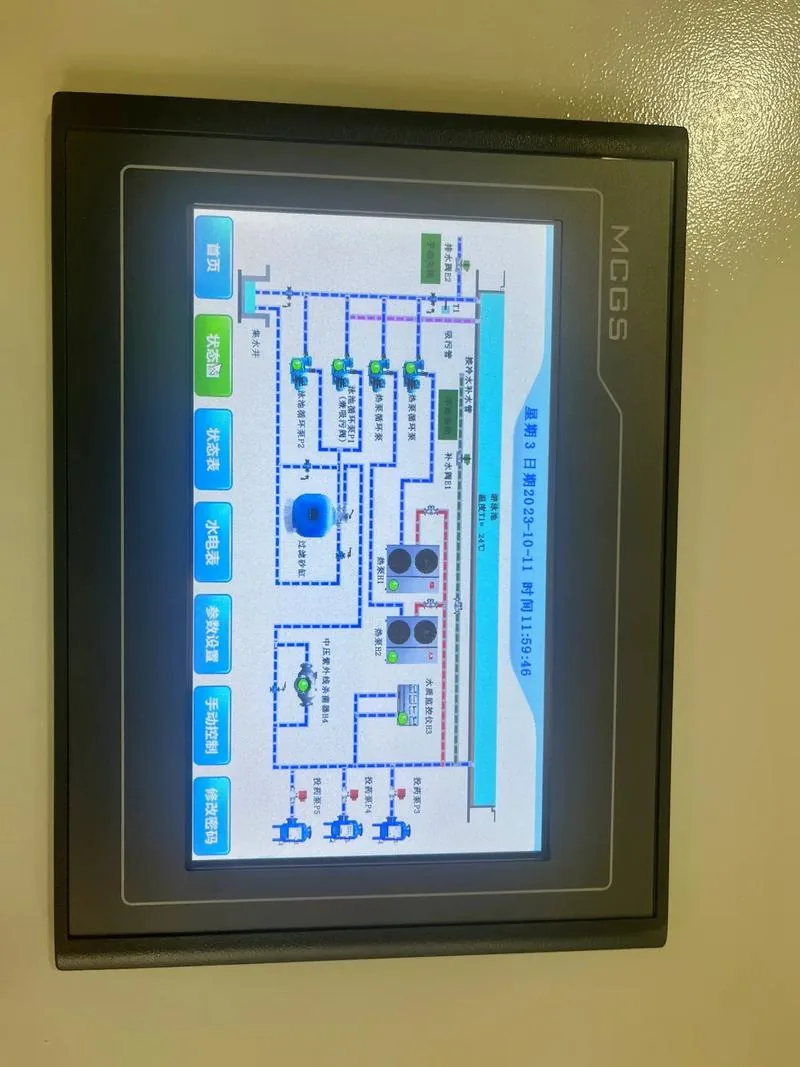
Four-season comfort is the hallmark of a premium pool. SWIMVIP heating pairs an air-source heat pump with a gas boiler in a dual-line architecture: the heat pump handles daily duty, moving up to 6.2 units of heat into the pool for every unit of electricity (COP 6.2), while the gas line takes over automatically in cold snaps for uninterrupted warmth. Temperature control spans 18–40 °C with climate-aware algorithms that hold your set point within ±0.5 °C.
- Heating capacity7 – 120 kW
- COP6.2
- Temperature range18 – 40 °C
- Dual lineHeat pump / Gas
- Operating climate-20 °C ~ 45 °C
- DefrostIntelligent reverse-cycle
CORE ADVANTAGES
Warmth Engineered Into Every Degree
Industry-leading COP 6.2
One unit of electricity moves about six units of heat — roughly one-fifth the running cost of pure electric heating.
Dual-line assurance
Heat pump for efficiency, gas for extremes — heating never stops in a cold snap.
Intelligent defrost
Reverse-cycle defrost keeps capacity stable in cold, humid conditions.
±0.5 °C precision
Water temperature holds steady without swings for a consistent swim.
APPLICATIONS
Built for Every Water Space
Year-round home swimming
Paired with a thermal cover, autumn and winter running costs stay friendly.
Hotel pools
Large-capacity units with multi-unit control meet all-day guest demand.
Baby & kids pools
Gentle low-delta heating protects young swimmers.
Spa & therapy pools
Stable output up to 40 °C supports wellness applications.
FAQ
Common Questions
Does it work in winter?
Yes — SWIMVIP heat pumps operate down to -20 °C with intelligent defrost, and the gas line guarantees supply in harsher spells.
What does COP 6.2 mean?
COP = heat output ÷ electricity input. 6.2 means about 6.2 units of heat per unit of electricity — six times the efficiency of direct electric heating.
How do I size capacity?
Estimate from surface area, target temperature rise and cover use — see our buying guide, or ask our engineers for a sizing proposal.